

Cybersecurity Basics Every Kenyan SME Should Have in Place
Most small businesses assume they're too small to be a target. In practice, that assumption is exactly what makes them one — here's what actually matters, starting with the basics.
Small businesses are targets, not exceptions
"We're too small to be a target" is the single most common — and most incorrect — assumption behind SME security gaps. Most attacks aren't a hacker deliberately targeting one specific business; they're automated attempts probing thousands of businesses at once for the same handful of common weaknesses: reused passwords, unpatched software, and staff who haven't been shown what a phishing email actually looks like. A business doesn't need to be interesting to attackers — it just needs to be unprotected.
The good news is that the fixes for these common weaknesses are neither expensive nor complicated. Most of what actually protects a small business is basic hygiene, consistently applied, rather than expensive enterprise security tools.
The basics that actually matter
In order of impact: unique passwords for every business account, managed with a password manager rather than memory or a notebook; two-factor authentication turned on for email, banking, and any system holding customer data; and a real backup — meaning data stored somewhere that isn't the same computer that could be stolen, damaged, or encrypted by ransomware. A backup that lives on the same laptop as the original files isn't a backup, it's a copy that fails at the same time as the original.
Beyond that: staff training on recognizing phishing emails matters more than most technical controls, because the majority of successful attacks start with someone clicking a link, not a system being breached directly. And a properly configured business network — separating guest Wi-Fi from the network that runs your POS or accounting system — closes a gap that's trivially easy to exploit but rarely thought about.
Where this fits into your systems, not beside them
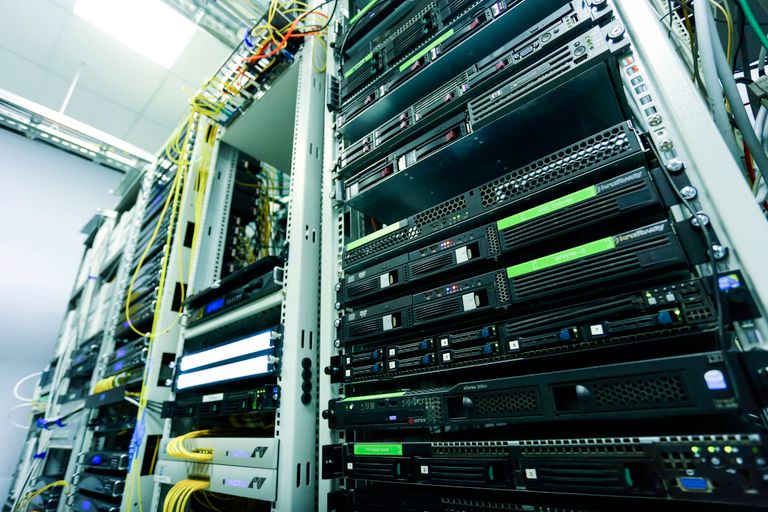
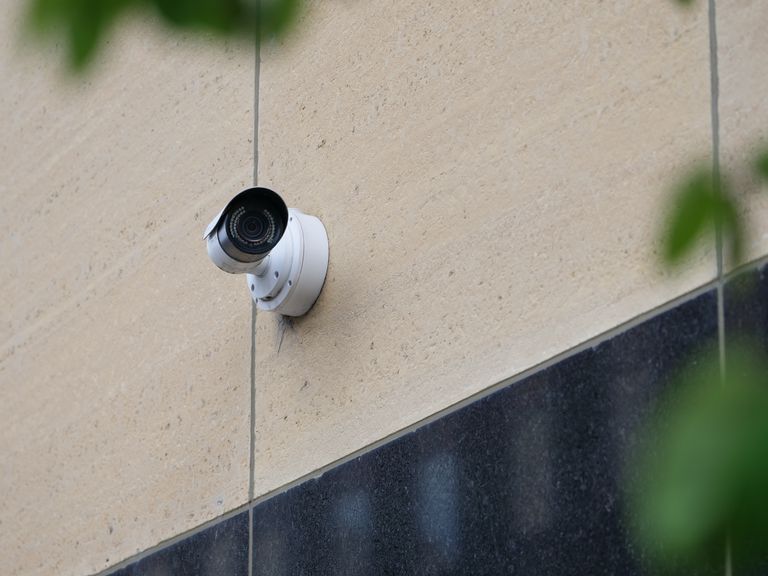
The businesses that handle this well don't treat security as a separate project bolted on afterward — they build it into how their systems are set up from the start: proper network segmentation, access levels so staff only see what their role requires, and CCTV and access control that covers the physical side of security too, since a break-in is still the most common way sensitive records get compromised in practice.
Zinen Technologies handles networking, CCTV installation, and access-level configuration as part of the same systems we build for day-to-day operations — because security that's designed in from the start costs far less than fixing a breach after the fact.
The systems and environments discussed in this guide

Systems related to this article
More from the blog

Laundry Management Software in Kenya: From Drop-Off to Delivery
A laundry grows quickly when every ticket, garment, payment and delivery can be tracked without relying on notebooks and WhatsApp messages.

Construction Management Software in Kenya: BOQ, Cost Control and Site Progress
Construction software becomes valuable when project planning is connected to actual materials, labour, equipment, certificates and costs.

Smart Car Park Management in Kenya: M-Pesa, LPR and Live Occupancy
Modern parking operations can connect entry, exit, bay occupancy, payment and access devices instead of relying on manual gate logs.
Ready to put this into practice?
Book a free demo and we'll show you exactly how this fits your business.