

Petrol Station Management System in Kenya: Fixing EPRA Price Changes and Tank Reconciliation
Every EPRA price circular is a small operational event for a petrol station — every pump has to be updated at the right moment, and every litre has to reconcile against the tank. Manual processes are exactly where that goes wrong.
A price change day is a small operational crisis without the right system
When the Energy and Petroleum Regulatory Authority (EPRA) publishes a new price circular, every affected station has to update every pump, at the right time, without a gap where the old price is still charged or a mistake where the new price is applied too early. For a station with several pumps and nozzles, updating each one manually — physically resetting a console, or telling every attendant the new figure verbally — is slow, and it's exactly the kind of process where one nozzle gets missed and keeps selling at the old price for hours.
Scheduling EPRA price updates in advance, so every pump switches over automatically and simultaneously at the effective time, removes both the manual scramble and the risk of a missed nozzle. It also means station staff aren't the ones responsible for remembering circular dates on top of everything else they manage during a shift.
Tank reconciliation is where real losses hide, and where inspectors look first
Every shift, meter readings from each pump should reconcile against a tank dip reading, checked against that tank's calibration chart — this is the core control that tells a station owner whether fuel sold matches fuel that actually left the tank, within an acceptable tolerance for temperature and measurement variance. Done on paper, shift after shift, small discrepancies are easy to miss individually but can represent real, ongoing loss when they add up over weeks — whether from measurement drift, a genuine leak, or something less innocent.
Recording meter and dip readings shift by shift, checked automatically against tank calibration charts, turns this from a paper log nobody reviews closely into a running record that flags a discrepancy the moment it appears, not weeks later when a much larger loss has already accumulated. The same records are exactly what Weights & Measures inspectors expect to see for pump calibration compliance — a station with organized, consistent readings has a far easier inspection than one reconstructing records from memory.
Cash, fleet accounts and the forecourt shop all reconcile the same way
A petrol station's cash handling doesn't stop at the pump — cash drops, bank deposits, and station operating expenses all need to be tracked and reconciled per shift, feeding directly into a real profit and loss picture rather than a rough monthly estimate. Corporate and credit fleet accounts, and any fuel vouchers issued to bulk customers, need their own tracking too, since these are effectively running credit balances that need to be settled correctly and on time.
Because most Kenyan customers now expect to pay at the pump via M-Pesa, and because fuel and forecourt shop sales both need KRA eTIMS-compliant invoicing, a station's point-of-sale and its fuel operations should run on the same system rather than two disconnected ones — a convenience shop sale and a fuel sale showing up in one unified daily report, not two separate tallies an owner has to add together by hand.
Zinen Technologies builds petrol station management software around this exact operational reality — EPRA price scheduling, shift-based meter and dip reconciliation against calibration charts, fleet accounts, fuel vouchers, an integrated forecourt POS, and M-Pesa and eTIMS compliance — for single-station operators and multi-station networks across Kenya.
Delivery tracking and multi-station reporting close the remaining gap
A station running low on a particular grade of fuel needs to know that before the tank actually empties mid-shift, and tracking incoming fuel deliveries against expected schedules and quantities helps catch a delayed or short delivery early, rather than discovering it when a pump runs dry with customers already queued. Delivery tracking that ties directly into the same tank records used for dip reconciliation means an owner can see, at a glance, whether a delivery matches what was ordered and what the tank level should now read.
For operators running more than one station, performance and profit-and-loss reporting needs to work across the whole network, not station by station in isolation — an owner comparing five stations should be able to see which one is genuinely more profitable per litre sold, not just which one has higher raw revenue, since raw revenue alone can be misleading if operating costs differ significantly between locations.
None of this replaces the judgment of an experienced station manager — but it does mean that judgment is backed by real, timely numbers instead of a gut feeling formed from whatever happened to be visible that particular shift.
Getting compliance right protects the licence to operate, not just the margin
Beyond the immediate financial case, a petrol station's licence to keep trading depends on genuinely being able to demonstrate compliance when EPRA, Weights & Measures, or other regulators ask for records — accurate pricing history, calibration logs, and reconciled sales figures. A station that can produce these cleanly when asked has a fundamentally different relationship with its regulators than one scrambling to reconstruct records from memory and paper under time pressure.
This is ultimately the strongest argument for treating a management system as core infrastructure for a petrol station rather than an optional upgrade — it's simultaneously the thing that protects margin day to day and the thing that keeps the business demonstrably compliant when it matters most, without requiring a separate compliance team layered on top of day-to-day operations.
The systems and environments discussed in this guide
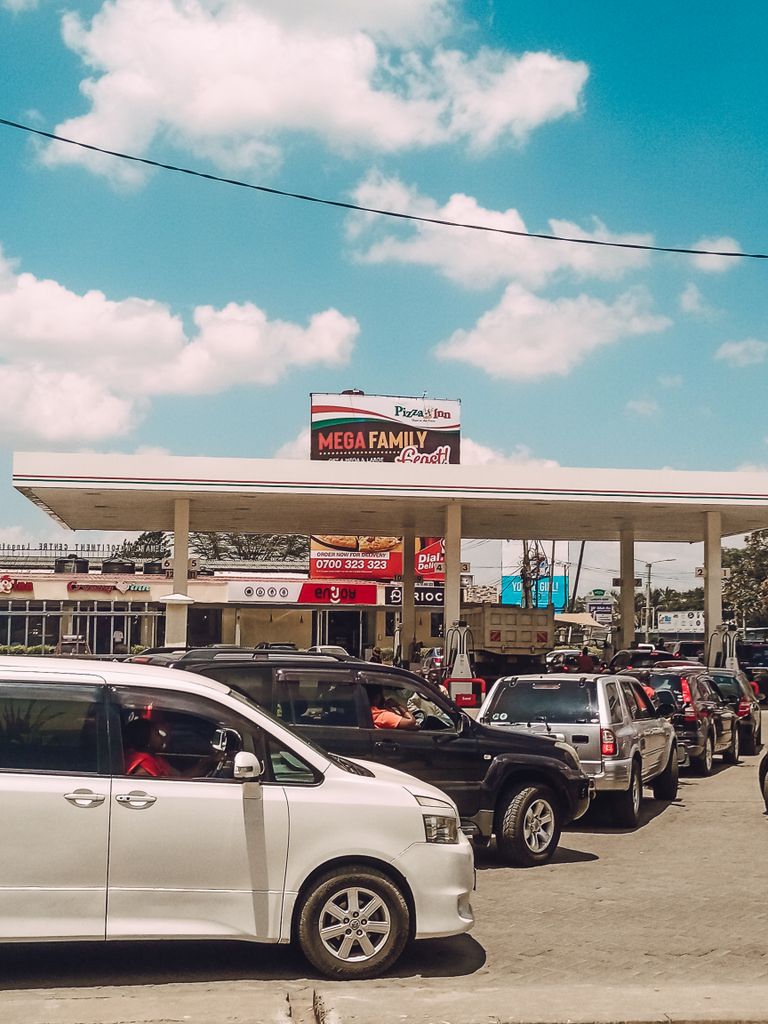

Systems related to this article
More from the blog

Laundry Management Software in Kenya: From Drop-Off to Delivery
A laundry grows quickly when every ticket, garment, payment and delivery can be tracked without relying on notebooks and WhatsApp messages.

Construction Management Software in Kenya: BOQ, Cost Control and Site Progress
Construction software becomes valuable when project planning is connected to actual materials, labour, equipment, certificates and costs.

Smart Car Park Management in Kenya: M-Pesa, LPR and Live Occupancy
Modern parking operations can connect entry, exit, bay occupancy, payment and access devices instead of relying on manual gate logs.
Ready to put this into practice?
Book a free demo and we'll show you exactly how this fits your business.